Ireland is full of famous places, from wild Atlantic cliffs to old castles and busy Dublin streets. If you are planning a trip, this guide covers the top tourist attractions in Ireland that most visitors want to see.
Whether you are interested in history, nature, or both, these destinations span the Republic of Ireland and Northern Ireland and are worth building your itinerary around.
Planning a Route Around Ireland's Top Attractions
Below you will find the top tourist attractions in Ireland listed by region, along with practical advice on visiting them without spending your whole trip behind the wheel.
Cliffs of Moher, County Clare
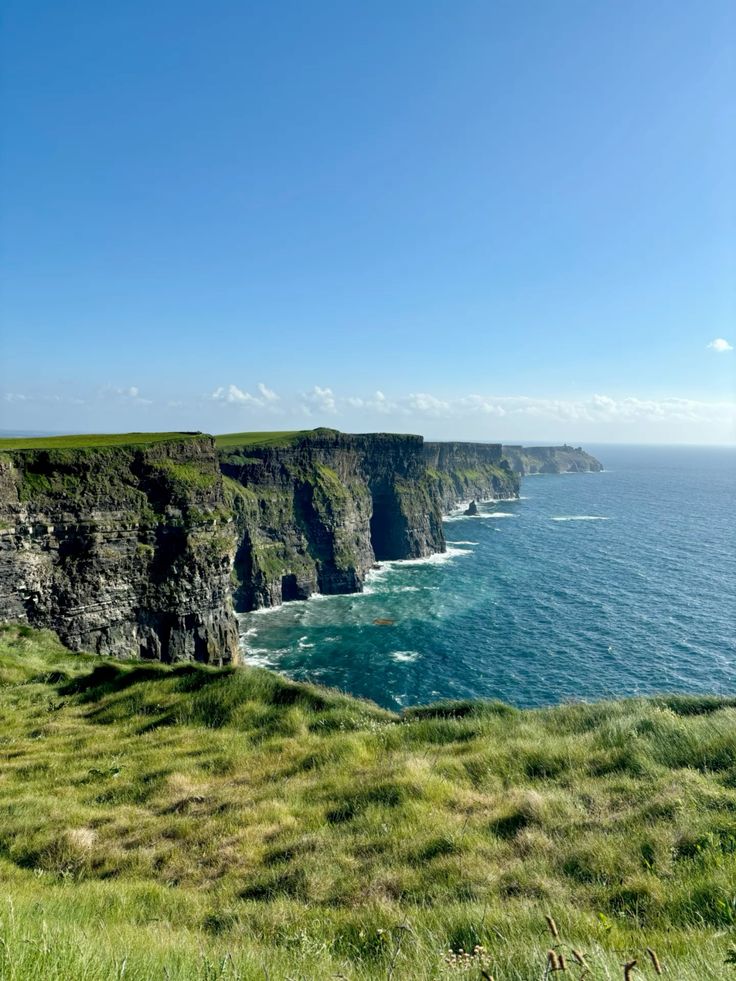
The Cliffs of Moher are among the most famous tourist attractions in Ireland. They rise more than 200 metres above the Atlantic Ocean and extend for approximately 8 kilometres along the County Clare coast. On clear days, the viewing points offer broad views towards the Aran Islands and Galway Bay. The site forms part of the Burren and Cliffs of Moher UNESCO Global Geopark and supports a major mainland seabird colony, with puffins present during the breeding season.
Visiting early in the morning or later in the afternoon can help you avoid the busiest periods. Many tours pair the cliffs with nearby Doolin, a village known for traditional Irish music.
Giant's Causeway, County Antrim
In Northern Ireland, the Giant's Causeway is one of the most unusual attractions on the island. It contains around 40,000 interlocking basalt columns formed by volcanic activity nearly 60 million years ago. Local legend says the giant Finn McCool built the causeway to reach Scotland.
It is a UNESCO World Heritage Site and a highlight of the Causeway Coast. Walking trails bring visitors close to the formations and open up views along the County Antrim coastline.
Guinness Storehouse, Dublin
The Guinness Storehouse is one of Ireland's best-known visitor attractions. Its seven-floor exhibition explores the history and craft of Guinness before finishing at the Gravity Bar with panoramic views over Dublin. Arthur Guinness signed the famous 9,000-year lease at St James's Gate in 1759, and the brewery remains closely connected to the city.
Trinity College and the Book of Kells, Dublin
Trinity College is Ireland's oldest university, founded in 1592 in the centre of Dublin. Its Old Library is home to the Book of Kells, a richly illustrated early medieval manuscript and one of Ireland's greatest cultural treasures.
The visitor experience and access arrangements can change while the Old Library undergoes conservation work, so checking current opening information before visiting is recommended. Trinity sits close to many other Dublin landmarks and fits easily into a city itinerary.
Ring of Kerry, County Kerry
The Ring of Kerry is one of Ireland's best-known scenic drives. The route runs for approximately 179 kilometres around the Iveragh Peninsula, connecting coastal villages, mountain passes, and lake views. Key stops include Moll's Gap, Ladies View, Waterville, and viewpoints towards the Skellig Islands. Most visitors allow a full day, while travellers arriving from Dublin benefit from an overnight stay in Killarney.
Killarney National Park, County Kerry
Killarney National Park sits beside the Ring of Kerry and is one of Ireland's most rewarding places for nature, history, and walking. It includes the Lakes of Killarney, native oakwoods, Ross Castle, Torc Waterfall, and the 19th-century Muckross House and Gardens.
The park forms part of a UNESCO Biosphere Reserve. Jaunting cars offer a traditional way to explore selected routes around Killarney and can also form part of a wider Gap of Dunloe excursion.
Blarney Castle, County Cork
Blarney Castle, just outside Cork city, is famous for the Blarney Stone. Visitors climb to the top of the castle and lean backwards to kiss the stone, which legend associates with the gift of eloquent speech. The present castle dates to the 15th century and is surrounded by extensive gardens and woodland that reward time beyond the tower itself.
Newgrange, County Meath
Newgrange was built around 3200 BC, making it older than Stonehenge and the pyramids at Giza. This Neolithic passage tomb is famous for its winter-solstice alignment, when sunlight enters the chamber through an opening above the entrance. It forms part of the Brú na Bóinne UNESCO World Heritage Site and is one of Europe's most important prehistoric monuments. Access is managed through the Brú na Bóinne Visitor Centre, and advance booking is strongly recommended.
Rock of Cashel, County Tipperary
The Rock of Cashel is a group of medieval buildings on a limestone outcrop above the Tipperary countryside. Once associated with the kings of Munster, the site later became an important religious centre. Its surviving structures include a round tower, Gothic cathedral, high cross, and Cormac's Chapel. Its position near the Dublin-to-Cork route makes it a practical and memorable stop.
Powerscourt Estate, County Wicklow
South of Dublin, Powerscourt Estate is known for landscaped gardens, ornamental lakes, terraces, and views towards the Great Sugar Loaf. The gardens include Italian and Japanese sections, a walled garden, and woodland walks. Powerscourt Waterfall, Ireland's highest at approximately 121 metres, is a separate nearby attraction reached by a short drive from the estate.
Kylemore Abbey and Connemara, County Galway
Kylemore Abbey sits beside a lake in Connemara, one of Ireland's most distinctive western landscapes. Built in the 19th century as a private home, it later became a Benedictine abbey. Visitors can explore parts of the house, the neo-Gothic church, woodland grounds, and the Victorian walled garden.
Connemara deserves additional time for its bogs, lakes, mountains, and quiet roads. It is a strong choice for travellers seeking scenery away from busier visitor routes.
Skellig Michael, County Kerry
Skellig Michael is a steep rocky island off the County Kerry coast, home to an early medieval monastic settlement. The UNESCO World Heritage Site later reached a wider audience through its appearance in Star Wars films. Landing access is seasonal, strictly controlled, weather dependent, and available only through licensed boat operators, so advance planning is essential.
Wicklow Mountains and Glendalough
The Wicklow Mountains are within easy reach of Dublin. Inside the national park, Glendalough preserves an early Christian monastic settlement associated with St Kevin, including a round tower, stone churches, and two lakes in a glacial valley. The combination of mountain roads, Sally Gap, Lough Tay, and Glendalough makes Wicklow one of the most varied day trips from the capital.
Kilmainham Gaol, Dublin
Kilmainham Gaol is one of Ireland's most important modern historical sites. The prison opened in 1796 and held many figures involved in Ireland's struggle for independence, including leaders executed after the 1916 Rising. Admission is by guided tour, and tickets often sell out, so advance booking is recommended.
The Best Way to See These Places to Visit in Ireland
Many of Ireland's top attractions are far apart, and public transport does not always connect them efficiently. Self-driving offers flexibility, but it also means focusing on navigation, parking, and narrow country roads.
A private chauffeur provides a more relaxed option, with routes planned around your interests and a professional driver managing the road. This can work for a single Cliffs of Moher day trip or a multi-day private tour linking several regions.
If you want to visit Ireland's leading attractions without the stress of driving, contact us to plan a private route around the places that matter most to you.
Frequently asked questions
What are the top tourist attractions in Ireland for first-time visitors?
Many first-time visitors combine Dublin landmarks such as the Guinness Storehouse and Trinity College with the Cliffs of Moher and the Ring of Kerry. Together, these provide a mix of city culture, history, and coastal scenery.
What are the best places to visit in Ireland outside Dublin?
Killarney National Park, Connemara, the Ring of Kerry, the Cliffs of Moher, and the Giant's Causeway are among the best-known destinations outside the capital. Each offers a different landscape and experience.
How many days do you need to see Ireland's top attractions?
Most visitors need approximately 7 to 10 days to cover Dublin, part of the west coast, and the south without filling every day with long-distance travel. Additional time allows a more relaxed pace.
Is it better to see Ireland's attractions by private chauffeur or self-drive?
A private chauffeur lets you focus on the scenery while avoiding navigation and parking. Self-driving offers spontaneity but is best suited to visitors comfortable with driving on the left and using narrow rural roads.